



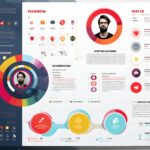

In today's dynamic job market, where competition for the best positions is intense, a well-prepared CV can be the key to success. It is not only a document that presents your experience and skills, but also a strategy that makes the interview easier. In this article, we'll look at how to effectively construct a CV that will not only grab the attention of recruiters but also help you prepare for the interview. Here are nine key aspects to consider. How to create an interview-friendly CV with talking points and questions to ask recruiter.
Key CV Elements That Attract Recruiters' Attention
First impressions are very important, so it's worth focusing on key elements that will catch recruiters' attention:
- Aesthetics: The appearance of your CV should be clean and professional. Use legible fonts and appropriate spacing.
- Professional Summary: A short but concise summary at the beginning of the document will help the recruiter quickly understand your goals and skills.
- Skills: Clearly identify key skills that are relevant to the job posting.
- Professional experience: Organize your experience in chronological order, starting with the most recent.
- Education: Indicate your education, especially if you have any diplomas or certificates that are relevant to your application.
- Matching to the offer: Highlight the elements that best match the requirements of the job offer.
- Links to professional profiles: Add links to your LinkedIn profile or online portfolio.
- Achievements: Don't forget to include any significant achievements that will make you stand out in the eyes of recruiters.
How to highlight your achievements on your CV to intrigue?
Achievements are a key element that can differentiate you from other candidates. To highlight your achievements:
- Use specific data: Instead of generalities, provide specific numbers, such as "I increased sales by 20% in six months."
- Focus on results: Brag about what you've achieved, not just what you've done.
- Use action: Start sentences with action verbs such as "implemented", "optimized", "led".
- Examples from different areas: Don't limit yourself to just one field. Mentioning your achievements in different areas can show your versatility.
- Industry fit: Make sure your achievements are in line with industry expectations.
- Use references: If possible, add references or recommendations from previous employers.
- Application of the art of narrative: Describe your achievements in the context of a story that will engage the recruiter.
- Update regularly: Review and update your achievements regularly to keep them fresh and relevant.
Questions to ask the recruiter during the interview
During a job interview, you don’t just answer questions, you ask your own questions. Here are some examples of questions to ask:
- Expectations towards an employee: “What are the key expectations for a person in this position?”
- Company culture: “How would you describe the work culture at this company?”
- Development opportunities: “What are the opportunities for professional development in this team?”
- Team dynamics: "What does teamwork look like and what are its greatest achievements?"
- Challenges: “What are the biggest challenges facing a person in this position?”
- Feedback: “How often do employees receive feedback on their work?”
- Work tools: “What tools and technologies are used in everyday work?”
- Next steps: “What are the next steps in the recruiting process?”
Preparing talking points without stress or panic
Preparing for a job interview can be stressful, but there are a few ways to make it easier:
- CV Review: Review your CV and be prepared for questions about each element.
- Highlight your achievements: Prepare a list of key achievements you want to discuss.
- Question scenarios: Make a list of potential questions and answers to feel more confident.
- Practicing with someone: Practice your conversation with a friend or mentor to gain confidence.
- Breathing techniques: Use breathing techniques to calm your nerves before the conversation.
- Understanding the offer: Read the job posting carefully so that you can refer to it in the interview.
- Notes: Prepare short notes that you can take with you to the interview.
- Positive attitude: Focus on the positive aspects and treat the conversation as an opportunity to exchange information.
How to tailor your CV to a specific job offer in 5 steps
Tailoring your CV to the job offer is key to success. Here are five steps to help you in this process:
- Offer Analysis: Read the advertisement carefully and identify the key skills and requirements.
- Personalization of the summary: Tailor your professional summary to reflect your interest in a specific role.
- Recommended skills: Make sure the skills you list are related to the job posting.
- Highlighting relevant experiences: Highlight those professional experiences that best match the requirements.
- Examples of achievements: Tailor your achievement examples to the context of the specific role to demonstrate why you are the ideal candidate.
The Art of CV Narrative – Tell Your Career Story
Narration on your CV is a great way to stand out from other candidates. Here's how to tell your story:
- Create a coherent narrative line: Make sure your work experiences are related to each other and create a coherent story.
- Introduction: Begin your story by presenting your motivation for choosing a particular career path.
- Key moments: Highlight the most important moments in your career that influenced your development.
- Attitude and values: Convey the values and attitude that guided your career decisions.
- Exceptional achievements: Talk about your greatest achievements in the context of the narrative.
- Future: End your story with a vision of your future and career aspirations.
- Writing style: Use clear, understandable language to make your story attractive to recruiters.
- Authenticity: Be authentic – your story should reflect your rights
