


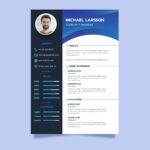


In today's dynamic professional world, new job po 40 i więcej może być zarówno ekscytującym, jak i przerażającym wyzwaniem. W miarę jak rynek pracy ewoluuje, tradycyjne podejścia do poszukiwania pracy i tworzenia CV mogą już nie wystarczać. W artykule tym przedstawimy kluczowe strategie, które pomogą Ci skutecznie dostosować swoje CV, pozyskać nowe umiejętności oraz zbudować sieć kontaktów, abyś mógł odnaleźć swoją nową ścieżkę zawodową z pewnością siebie.
How to adapt your CV to modern standards?
Współczesne CV powinno być bardziej niż tylko dokumentem przedstawiającym Twoje professional experience. To również narzędzie, które sprzedaje Ciebie jako kandydata. Oto kilka kluczowych elementów, które warto wziąć pod uwagę przy jego tworzeniu:
- Simple and clear structure – Avoid unnecessary decorations, focus on readability and layout.
- Personalization – Tailor your CV to the specific job posting, highlighting the skills and experiences that are most important to the role.
- Use of keywords – Recruiters often use ATS (Applicant Tracking Systems) that scan CVs for keywords. Make sure your CV contains relevant phrases related to your industry.
- Brief job description – At the beginning, include a concise description that briefly summarizes your skills and career goals.
- Data visualization – Using graphs or charts can help visualize your achievements, making your CV more attractive.
- Skill Sections – Designate a separate section for technical and interpersonal skills.
- Education and certificates – Don’t forget to include any courses, trainings and certificates that may be important to future employers.
- Reference – If possible, add references from previous employers or colleagues.
Key skills that recruiters will appreciate today
In a rapidly changing job market, certain skills are becoming crucial to success. Here are some that recruiters are particularly looking for:
- Digital skills – Knowledge of digital tools, social media and the ability to work in a remote environment.
- Project management – Recruiters value people who can plan, organize and implement projects in accordance with established deadlines.
- Communication – The ability to communicate effectively, both written and oral, is crucial in every industry.
- Analytical skills – The ability to analyze data and draw conclusions is valued in many roles.
- Adaptability – Ability to adapt to a changing work environment and learn new technologies quickly.
- Creativity – Innovative thinking and the ability to solve problems in unusual ways are extremely valuable.
- Time management – Effective time and priority management allows you to achieve better results in less time.
- Teamwork – Ability to work in a team and build relationships with other employees.
POWER CV: The AI That Changes the Game in Resumes and Cover Letters
Artificial intelligence (AI) has revolutionized the way we build and optimize our resumes. Here are some ways AI can help you build a POWER resume:
- Keyword Analysis – AI can help identify keywords that should be included in your CV to increase its chances of getting through an ATS.
- Content Personalization – AI tools can help tailor CV content to job offers, which increases the chances of attracting recruiters’ attention.
- Suggesting skills – AI can pinpoint skills that are currently in demand in your industry, allowing you to add them to your CV.
- Structure optimization – AI tools can suggest the best CV templates and layouts to make them more visually appealing.
- Creating cover letters – AI can help generate personalized cover letters tailored to the requirements of the job offer.
- Education – You can use educational platforms that analyze your skills and offer courses to develop those that are in demand.
- Real-time feedback – Some tools offer immediate feedback on your CV, allowing you to make adjustments on the fly.
- Preparing for a job interview – AI can help simulate job interviews, allowing for better preparation for real challenges.
New Job After 40: How to Build a Network of Contacts?
Networking is one of the most important elements of professional success, especially when changing careers. Here are some ways to build it:
- Use LinkedIn – This is a key tool for professionals. Update your profile, add new skills, and actively participate in discussions.
- Participation in industry events – Conferences, seminars and workshops are an excellent opportunity to make new contacts.
- Networking groups – Join local industry groups that hold regular meetings.
- Support others – Help others with their job searches, which may bring you new contacts in the future.
- Mentoring a New Job after 40 – Collaborate with younger employees or people from the industry to share knowledge and experience.
- Networking online – Participate in online forums and discussion groups where you can make new contacts.
- Keep in touch – Regularly contact former coworkers and supervisors to maintain relationships.
- Run your own blog – Share your knowledge and experience, which can attract the attention of other professionals in your industry.
New Job After 40. Convince recruiters: Your experience is an asset!
Having professional experience after the age of 40 is not only valuable, but also an asset. Here are ways to effectively communicate your advantages to recruiters:
- Highlight achievements – Focus on your successes and results you have achieved in previous roles.
- Examples from life – Talk about specific situations in which your experience has benefited the company.
- Soft skills – Experience often comes with developed interpersonal skills, which are invaluable in teamwork.
- Adaptability – Emphasize your ability to learn and adapt to a changing work environment.
- Industry knowledge and the new Work after 40 – Your many years of experience can be a source of valuable knowledge that will help you develop your company.
- Mentoring – Pokaż, że możesz być mentorem dla młodszych employees dzięki swojemu doświadczeniu.
- Openness to change – Show that you are open to new technologies and work methods, which may surprise many recruiters.
- **
